Faecal Calprotectin
💩🧪 Faecal calprotectin is a stool test used to help distinguish
Irritable Bowel Syndrome (IBS) from Inflammatory Bowel Disease (IBD)
when symptoms overlap and there is diagnostic uncertainty.
🚦 High levels suggest intestinal inflammation - but they do not diagnose IBD on their own.
🎯 When to Use
- ✅ Adults with lower gastrointestinal symptoms where IBS vs IBD is uncertain.
- ✅ Suspected IBD where symptoms are mild/moderate and there are no red flags.
- ✅ Diarrhoea-predominant or mixed-type IBS symptoms where inflammatory disease needs excluding.
- ❌ Do not use as a substitute for urgent referral if colorectal cancer is suspected.
- ❌ Do not delay urgent assessment if acute severe IBD is suspected.
- ⚠️ If ovarian cancer symptoms are suspected, consider CA125 and appropriate pelvic/abdominal assessment.
🚩 Red Flags - Do Not Rely on Calprotectin Alone
- 🩸 Rectal bleeding
- ⚖️ Unexplained weight loss
- 😴 Iron deficiency anaemia or unexplained anaemia
- 👆 Abdominal or rectal mass
- 👵 New change in bowel habit in older adults
- 🧬 Strong family history of bowel or ovarian cancer
- 🔥 Severe abdominal pain, systemic toxicity, dehydration, or suspected acute severe colitis
🧬 What Is Calprotectin?
- Calprotectin is a protein found mainly inside neutrophils 🧫.
- When the bowel lining is inflamed, neutrophils migrate into the gut wall and release calprotectin into the stool.
- Because it is stable in faeces, it is a useful marker of intestinal inflammation.
- IBS is a functional gut disorder and usually does not cause a high faecal calprotectin.
📈 Causes of Raised Faecal Calprotectin
- 🔥 Inflammatory bowel disease - Crohn’s disease or ulcerative colitis
- 🦠 Infective colitis or gastroenteritis
- 🧱 Diverticulitis
- 💊 Medicines, especially NSAIDs
- 🧬 Colorectal cancer or other bowel pathology
- 🚑 Recent gastrointestinal bleeding, inflammation, or surgery
💊 Medication Cautions
- NSAIDs such as ibuprofen, naproxen and aspirin can increase faecal calprotectin.
- If clinically safe, avoid NSAIDs before testing according to local laboratory guidance.
- Do not stop aspirin or antiplatelet therapy without considering the cardiovascular indication.
- Recent infection can also raise levels, so repeat testing may be needed if symptoms are settling.
🚦 Interpreting Results
-
🟢 <100 micrograms/g: IBD unlikely.
- Manage as likely IBS if the clinical picture fits.
- Give lifestyle, diet and symptom-directed treatment.
- Review if symptoms persist, worsen, or red flags develop.
-
🟠 100–250 micrograms/g: Borderline / intermediate result.
- Check for NSAID use, infection, recent gastroenteritis and other inflammatory causes.
- Repeat faecal calprotectin, often within around 4 weeks depending on local pathway.
- If persistently raised, consider routine gastroenterology referral or advice and guidance.
-
🔴 >250 micrograms/g: Significant intestinal inflammation more likely.
- Review clinically and check for red flags or systemic illness.
- Consider urgent gastroenterology referral, especially if symptoms are worsening.
- Repeat testing may be used to confirm elevation if the patient is clinically stable.
🧠 Simple Exam Pearl
- 💡 IBS: symptoms without objective bowel inflammation - calprotectin usually normal.
- 🔥 IBD: immune-mediated bowel inflammation - calprotectin often raised.
- ⚠️ Raised calprotectin means inflammation, not automatically IBD.
📦 Sample Requirements
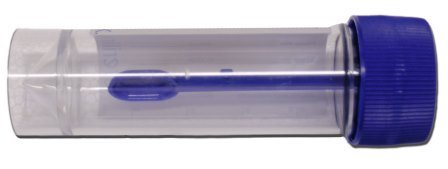
- Collect approximately 1–5 g of faeces into a stool collection pot.
- Avoid contamination with urine or toilet water.
- Label the sample clearly and send according to local laboratory instructions.
- Local laboratories may use different thresholds, so always interpret using the local reference range.
🗣️ Advice for Patients
- 💩 The test looks for inflammation in the bowel, not infection alone and not cancer specifically.
- 📦 A small stool sample is enough.
- 💊 Tell the clinician about NSAIDs, aspirin, recent diarrhoea, antibiotics or infections.
- 🚩 Seek urgent medical advice if there is rectal bleeding, weight loss, severe pain, fever, dehydration, or black stools.
-
📄 How to collect a stool sample for faecal calprotectin analysis
📚 Terminology
- IBS: Irritable Bowel Syndrome - functional bowel symptoms without structural inflammation.
- IBD: Inflammatory Bowel Disease - chronic inflammatory disease such as Crohn’s disease or ulcerative colitis.
- FC: Faecal calprotectin.
