Related Subjects:
|Drug Toxicity - Assessment
|Metabolic acidosis
|Aspirin or Salicylates toxicity
|Ethylene glycol toxicity
|Ethanol toxicity
|Methanol toxicity
|Ricin toxicity
|Carbon Tetrachloride Toxicity
|Renal Tubular Acidosis
|Lactic acidosis
|Iron Toxicity
|Tricyclic Antidepressant Toxicity
|Opiate Toxicity
|Carbon monoxide Toxicity
|Benzodiazepine Toxicity
|Paracetamol (Acetaminophen) toxicity
|Amphetamine toxicity
|Beta Blocker toxicity
|Calcium channel blockers toxicity
|Cannabis toxicity
|Cyanide toxicity
|Digoxin Toxicity
|Lithium Toxicity
|NSAIDS Toxicity
|Ecstasy toxicity
|Paraquat toxicity
|Quinine toxicity
|SSRI Toxicity
|Theophylline Toxicity
|LSD Toxicity
|Organophosphate (OP) Toxicity
|Toxin elimination by dialysis
|Drug Toxicity with Specific Antidotes
⚠️ Ethylene Glycol Poisoning → needs urgent alcohol dehydrogenase inhibition (🍷 Ethanol or 💉 Fomepizole) to stop conversion into toxic metabolites.
If untreated → ❌ severe metabolic acidosis, renal failure, and death.
ℹ️ About
- Classic toxicology case → treatable but highly lethal if missed.
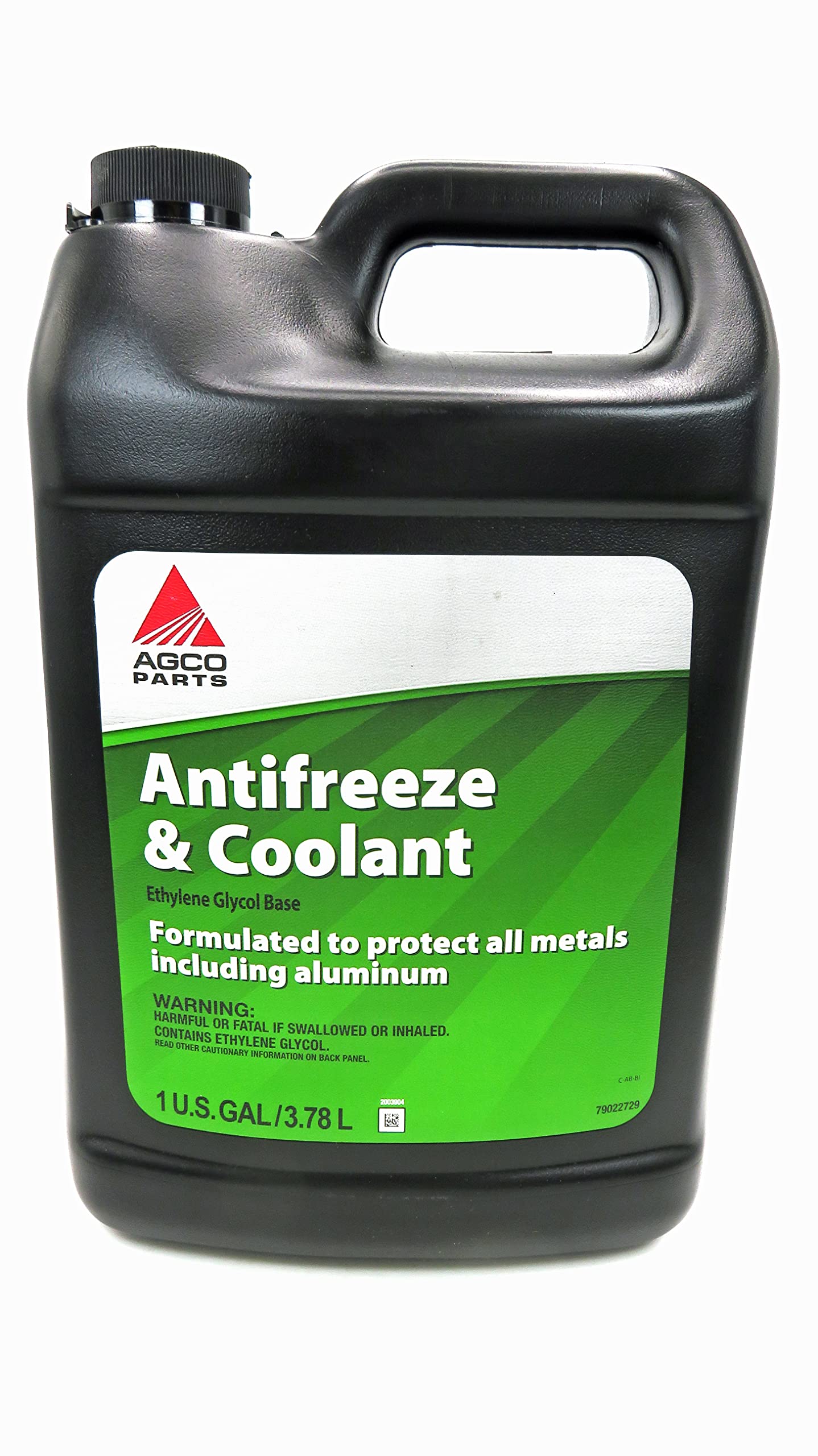
- 🚗 Found in antifreeze (ethylene glycol has a sweet taste → risk of accidental/intentional ingestion).
- 🍷 Ethanol used historically, now 💉 Fomepizole = treatment of choice in the UK.
- Causes characteristic blood chemistry and renal complications.
🧪 Aetiology & Pathophysiology
- Ethylene glycol itself = relatively harmless.
- Metabolised by alcohol dehydrogenase → toxic metabolites (glycolaldehyde, glyoxylic acid, oxalate).
- ⛔ Effects: acute tubular necrosis → renal failure + high anion gap metabolic acidosis (HAGMA).
- Oxalate binds calcium → 🧊 calcium oxalate crystals (urine) + 🩸 hypocalcaemia.
🩺 Clinical Features
- Neurological: drowsiness, coma, seizures.
- Respiratory: Kussmaul’s breathing due to severe metabolic acidosis 🫁.
- Renal: progression to acute kidney injury/failure 🚱.
- Ocular: visual disturbances (blurred vision, blindness) 👁️.
🔬 Investigations
- FBC, U&E: ↑ Creatinine (renal involvement).
- ABG: Severe metabolic acidosis (HAGMA).
- Calcium: ↓ (hypocalcaemia from calcium oxalate binding).
- Urine: Calcium oxalate crystals (envelope/dumbbell shaped) 🔬.
- Osmolar gap: Often raised (helpful clue early on).
💊 Management (UK context)
- 📞 Contact NPIS/TOXBASE early for tailored guidance.
- Initial: ABC, O₂ (target sats 94–98%), IV fluids, monitor urine output.
- 🧪 Correct acidosis: IV NaHCO3 if pH < 7.2.
- Alcohol (historical): Oral 50 g ethanol (~125 mL spirits) or IV ethanol infusion to maintain blood ethanol 500–1000 mg/L.
- Fomepizole (preferred): If EG >20 mg/dL or ingestion strongly suspected. Safely blocks alcohol dehydrogenase → prevents toxic metabolites.
- Haemodialysis: Indications include:
- pH < 7.25
- Acute renal failure
- EG >50 mg/dL
- Serum glycolic acid >8 mg/dL
Continue until ethylene glycol undetectable 🩸.
📚 References
