
| Download the amazing global Makindo app: ✅ Means NICE/National Guidelines 2026 compliant Android | Apple | |
|---|---|
| MEDICAL DISCLAIMER: Educational use only. Not for diagnosis or management. See below for full disclaimer. |
OSCE Abdominal Examination
Related Subjects: |OSCE Eye Exam |OSCE Ear Exam |OSCE Abdominal Exam |OSCE Ascites Exam |OSCE Jaundice Exam |OSCE Testicular Exam |OSCE Inguinal Exam |OSCE Upper limb Neurology |OSCE Lower limb Neurology |OSCE Face Neurology |OSCE Visual Fields
👋 Introduction
- 🧼 Wash your hands before approaching.
- Introduce yourself, confirm patient’s name & DOB.
- Explain: “I’d like to examine your abdomen by looking, feeling, tapping, and listening.”
- Gain consent and ensure supine position, exposed from xiphisternum → pubic symphysis, with privacy & draping.
👀 Step 1: General Inspection
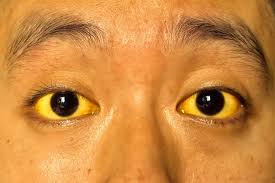
- From end of bed: Distress, weight loss, jaundice, distension.
- Hands: Clubbing, leukonychia, koilonychia, palmar erythema, Dupuytren’s contracture.
- Face: Scleral icterus, conjunctival pallor, angular stomatitis, glossitis, foetor hepaticus.
👀 Step 2: Inspection of Abdomen
- Scars, striae, rashes, caput medusae.
- Contour: flat, scaphoid, distended.
- Obvious masses, hernias, visible pulsations or peristalsis.
✋ Step 3: Palpation
- Light palpation: 9 regions → tenderness, guarding, rigidity.
- Deep palpation: Masses (size, shape, consistency, mobility, tenderness).
- Liver: Start RIF, move to costal margin during inspiration → edge, texture, tenderness, nodularity.
- Spleen: Start RIF, diagonally toward LCM → splenic edge on inspiration.
- Kidneys: Bimanual ballotment for enlargement/tenderness.
- Aorta: Above umbilicus → width, expansile pulsation (AAA suspicion 🚨).
🥁 Step 4: Percussion
- Liver span (MCL upper + lower border).
- Spleen (Traube’s space) → percussion dullness = splenomegaly.
- Percuss masses → dull = solid, resonant = gas.
- Shifting dullness / fluid thrill if ascites suspected.
🎧 Step 5: Auscultation
- Bowel sounds → present/absent, hyperactive (obstruction), absent (ileus).
- Bruits → aorta, renal, iliac arteries.
- Rare: Venous hum, friction rub (hepatic pathology).
🧪 Step 6: Special Tests
- Murphy’s sign: RUQ tenderness + arrest of inspiration = cholecystitis.
- McBurney’s point tenderness: RIF pain = appendicitis.
- Rovsing’s, Psoas, Obturator signs: Appendicitis/retrocecal irritation.
- Ascites tests: Shifting dullness, fluid thrill.
✅ Step 7: Closure
- Thank patient, cover up, ensure comfort.
- Wash hands 🧼.
- Summarise & document findings clearly.
⭐ Key OSCE Tips
- Systematic: Inspection → Palpation → Percussion → Auscultation.
- Palpate gently first → avoid causing pain early.
- Expose adequately but maintain dignity.
- Always compare sides.
- Be ready with differentials (e.g. ascites → cirrhosis, ovarian cancer, right heart failure).
🚫 Common Pitfalls
- Forgetting light palpation first.
- Inadequate exposure → missing scars/hernias.
- Skipping inspection before palpation.
- Neglecting auscultation (and sequence differences - OSCEs expect consistency).
- Poor communication with patient.
📚 References
- Macleod’s Clinical Examination – Abdominal Chapter
- Geeky Medics OSCE Guide
- OSCEstop – OSCE practice stations