
| Download the amazing global Makindo app: ✅ Means NICE/National Guidelines 2026 compliant Android | Apple | |
|---|---|
| MEDICAL DISCLAIMER: Educational use only. Not for diagnosis or management. See below for full disclaimer. |
Alkaptonuria
|Adult Onset Still's Disease |Alkaptonuria🧬 Alkaptonuria is a rare autosomal recessive metabolic disorder. It leads to accumulation of homogentisic acid → dark pigmentation of connective tissues (ochronosis) + early arthritis. Classically: urine that darkens on standing! ⚗️
ℹ️ About
- Autosomal recessive inherited cause of arthritis.
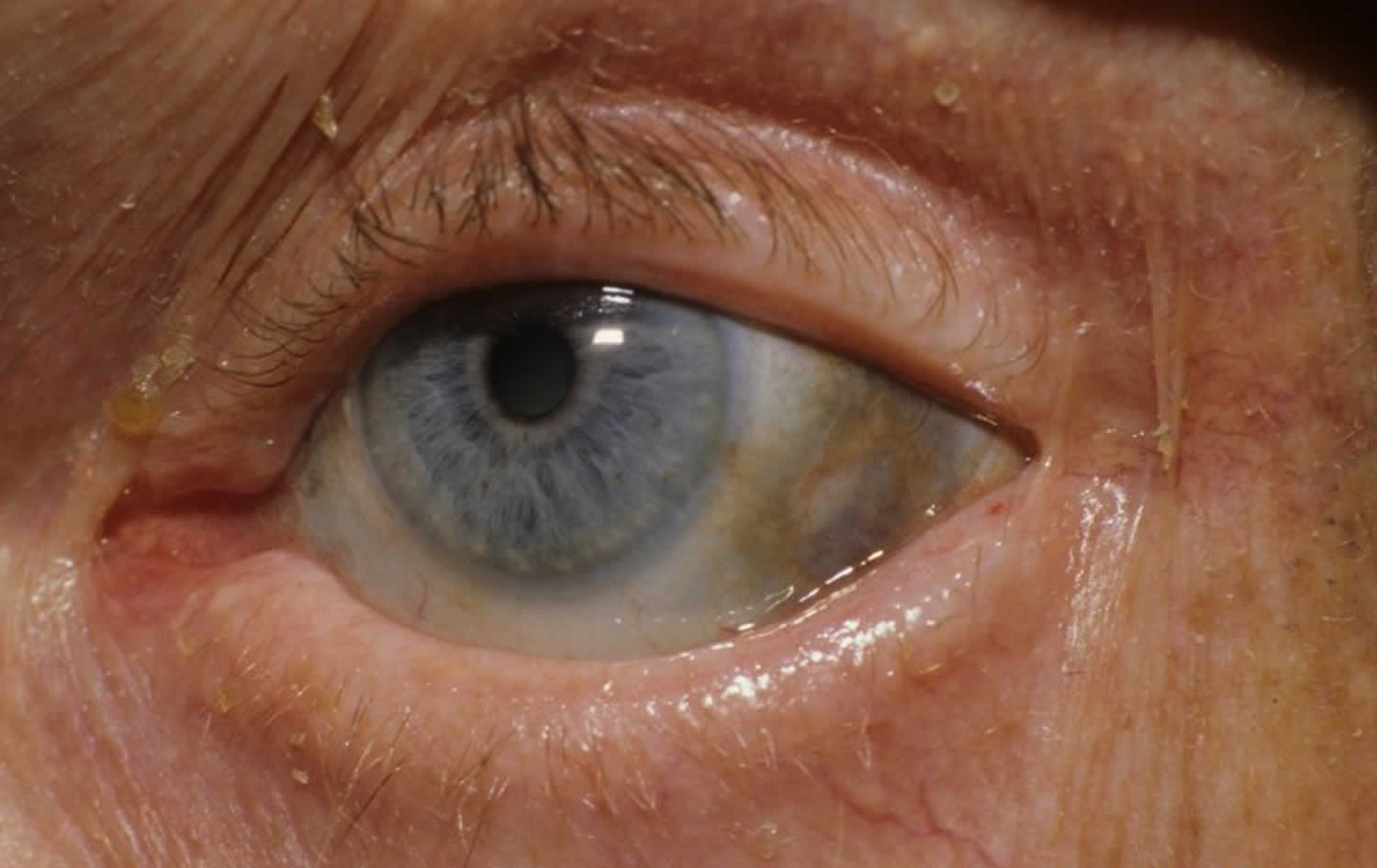
- Dark pigmentation of cartilage and connective tissues = Ochronosis.
⚙️ Aetiology
- Deficiency of homogentisic acid oxidase.
- Enzyme encoded on chromosome 3q.
- Accumulated homogentisic acid binds collagen → tissue fragility and degeneration.
👩⚕️ Clinical Features
- 👁️ Blue-black pigmentation of sclerae and ear cartilage (first sign).
- 🦴 Crystal deposition in joints → destructive arthritis, especially spine, hips, knees.
- 🎧 Ochronosis: darkening of pinna and cartilage.
- 🧴 Sweat and connective tissues may be pigmented.
- ⚗️ Urine clear on voiding, but turns dark on standing or with alkali.
- Early-onset osteoarthritis due to brittle, pigmented cartilage.
🔬 Investigations
- Urine darkens on exposure to air or alkali (bedside clue!).
- Confirm with ↑ urinary homogentisic acid (GC-MS or HPLC).
- Genetic testing for HGD gene mutation if needed.
💊 Management
- Low protein diet (↓ phenylalanine & tyrosine intake).
- Vitamin C (ascorbic acid) → may ↑ renal clearance of homogentisic acid.
- Symptomatic management of arthritis (analgesia, physio, joint replacement if severe).
- Experimental: Nitisinone (tyrosine metabolism inhibitor) reduces homogentisic acid production.
Cases - Alkaptonuria
- Case 1 - Dark urine in childhood 🍼: A 6-year-old boy is brought by parents because his nappies consistently turn dark brown after a few hours. He is otherwise well. Urine test: homogentisic acid positive. Diagnosis: alkaptonuria, a rare autosomal recessive disorder of tyrosine metabolism due to deficiency of homogentisate oxidase. Parents are counselled on long-term monitoring.
- Case 2 - Ochronosis and joint disease 🤕: A 52-year-old man presents with progressive back stiffness, knee pain, and bluish-black discolouration of ear cartilage and sclerae. Past history reveals dark urine since youth but never investigated. X-rays: calcification of intervertebral discs and degenerative changes in large joints. Diagnosis: adult presentation of alkaptonuria with ochronosis. Managed with analgesia, joint replacement consideration, and metabolic specialist referral.
Teaching Point 🩺: Alkaptonuria is a rare metabolic disorder (1 in 250,000) that causes accumulation of homogentisic acid. Classic clues are dark urine in childhood and later ochronosis with early osteoarthritis. Treatment is supportive; nitisinone is under study.
| The content on this website is provided for educational and informational purposes only to support exam preparation (e.g., MLA, MRCP, USMLE) and learning. This is NOT medical advice, diagnosis, treatment, or professional guidance. It does not replace consultation with a qualified healthcare professional, official guidelines (e.g., NICE, GMC, BNF), or supervised clinical practice. Always verify information with current, authoritative sources. Makindo and its contributors accept no liability for any reliance on this content, including errors, omissions, or any resulting harm, loss, or consequences. By using this site, you agree to these terms. |
|
|
Categories
- About
- Acute Medicine
- Anaesthetics and Critical Care
- Anatomy
- Anatomy and Physiology
- Biochemistry
- Book
- Cardiology
- Collections
- CompSci
- Crib Sheets
- Critical care
- Dental
- Dermatology
- Differentials
- Drugs
- ENT
- Electrocardiogram
- Embryology
- Emergency Medicine
- Endocrinology
- Ethics
- Foundation Doctors
- GCSE
- Gastroenterology
- General Practice
- Genetics
- Geriatric Medicine
- Geriatrics
- Guidelines
- Haematology
- Hepatology
- Immunology
- Infectious Diseases
- Infographic
- Investigations
- Lists
- MRCP
- Mandatory Training
- Medical Students
- Microbiology
- Nephrology
- Neurology
- Neurosurgery
- Nutrition
- OSCE
- Obstetrics Gynaecology
- Oncology
- Ophthalmology
- Oral Medicine and Dentistry
- Orthopaedics
- Paediatrics
- Palliative
- Palliative Care
- Pathology
- Pharmacology
- Physiology
- Procedures
- Psychiatry
- Public Health
- Radiology
- Respiratory
- Resuscitation
- Revision Topics
- Rheumatology
- Statistics and Research
- Stroke
- Surgery
- Toxicology
- Trauma and Orthopaedics
- USMLE
- Urology
- Vascular Surgery