
| Download the amazing global Makindo app: ✅ Means NICE/National Guidelines 2026 compliant Android | Apple | |
|---|---|
| MEDICAL DISCLAIMER: Educational use only. Not for diagnosis or management. See below for full disclaimer. |
Transfers of folder frail or disabled patients
🌟 Transfers are all about moving safely from one surface to another (e.g. bed → chair, wheelchair → toilet). For frail or disabled patients, this everyday task can be a major challenge. Proper technique, equipment, and communication protect both the patient and caregiver.
🧾 Key Considerations
- Gentle Handling 🤲: Frail patients have brittle bones, sarcopenia, and poor balance ➝ high fracture risk. Handle with care.
- Assessment 🔍: Evaluate mobility, weight-bearing ability, cognition, and cooperation before transfer planning.
- Safety First ⚠️: Clear clutter, lock brakes, adjust bed/chair heights, and use correct body mechanics.
- Communication 🗣️: Explain each step, give simple cues (“lean forward”, “hold here”), and ensure consent.
- Teamwork 👥: Use two carers when needed. Never compromise safety by attempting a risky solo transfer.
🛠️ Transfer Devices
| Device | Indication | Use / Example |
|---|---|---|
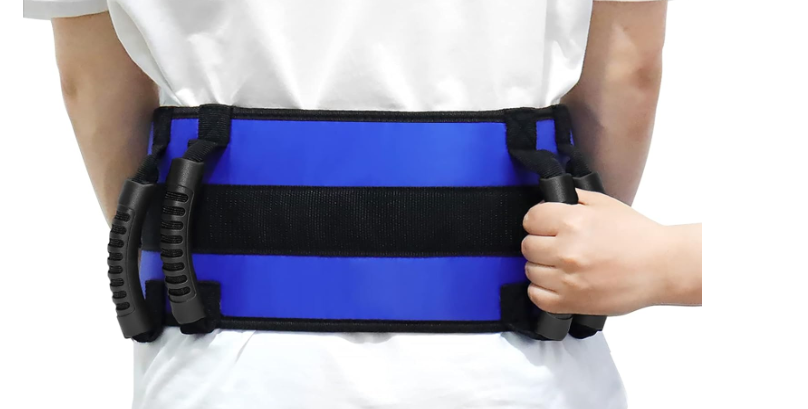
| Transfer Belt (Gait Belt) 🌀 | Patients who can stand with support but are unsteady (e.g. frail elderly, post-stroke). | Placed around waist; caregiver holds belt to stabilise during walking/bed ↔ chair transfer.
 |
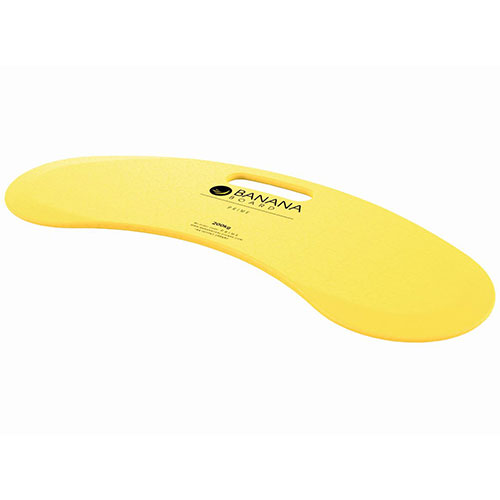
| Slide Board (Transfer Board) 🪵 | Patients who can sit but cannot stand (e.g. paraplegia, lower-limb weakness). | Placed between surfaces (bed ↔ wheelchair). Patient slides across with assistance, avoiding heavy lifting.
 |
| Mechanical Lift (Hoist) 🏗️ | Non-ambulatory patients, bedbound, very frail, or bariatric transfers. | Sling placed under patient → hoist lifts + transfers safely. Minimal strain on carers. |
| Wheelchairs ♿ | Patients unable to walk or limited to very short distances. | Used for transport within hospital/home. Important: brakes locked before transfer; footplates adjusted. |
| Walker with Seat 🚶♂️🪑 | Patients with limited endurance or balance (e.g. COPD, frailty). | Provides walking support + rest option. Encourages mobility but reduces falls risk. |
| Sit-to-Stand Lift ↗️ | Patients who can bear some weight but need help rising. | Assists with sit → stand transfers (e.g. toilet or chair). Encourages independence while ensuring safety. |
💡 Teaching Pearl: Always choose the least restrictive aid that ensures safety. Encourage independence where possible, but never at the cost of falls or fractures. A poor transfer = one of the most common causes of inpatient harm in frail elderly patients.
| The content on this website is provided for educational and informational purposes only to support exam preparation (e.g., MLA, MRCP, USMLE) and learning. This is NOT medical advice, diagnosis, treatment, or professional guidance. It does not replace consultation with a qualified healthcare professional, official guidelines (e.g., NICE, GMC, BNF), or supervised clinical practice. Always verify information with current, authoritative sources. Makindo and its contributors accept no liability for any reliance on this content, including errors, omissions, or any resulting harm, loss, or consequences. By using this site, you agree to these terms. |
|
|
Categories
- About
- Acute Medicine
- Anaesthetics and Critical Care
- Anatomy
- Anatomy and Physiology
- Biochemistry
- Book
- Cardiology
- Collections
- CompSci
- Crib Sheets
- Critical care
- Dental
- Dermatology
- Differentials
- Drugs
- ENT
- Electrocardiogram
- Embryology
- Emergency Medicine
- Endocrinology
- Ethics
- Foundation Doctors
- GCSE
- Gastroenterology
- General Practice
- Genetics
- Geriatric Medicine
- Geriatrics
- Guidelines
- Haematology
- Hepatology
- Immunology
- Infectious Diseases
- Infographic
- Investigations
- Lists
- MRCP
- Mandatory Training
- Medical Students
- Microbiology
- Nephrology
- Neurology
- Neurosurgery
- Nutrition
- OSCE
- Obstetrics Gynaecology
- Oncology
- Ophthalmology
- Oral Medicine and Dentistry
- Orthopaedics
- Paediatrics
- Palliative
- Palliative Care
- Pathology
- Pharmacology
- Physiology
- Procedures
- Psychiatry
- Public Health
- Radiology
- Respiratory
- Resuscitation
- Revision Topics
- Rheumatology
- Statistics and Research
- Stroke
- Surgery
- Toxicology
- Trauma and Orthopaedics
- USMLE
- Urology
- Vascular Surgery